
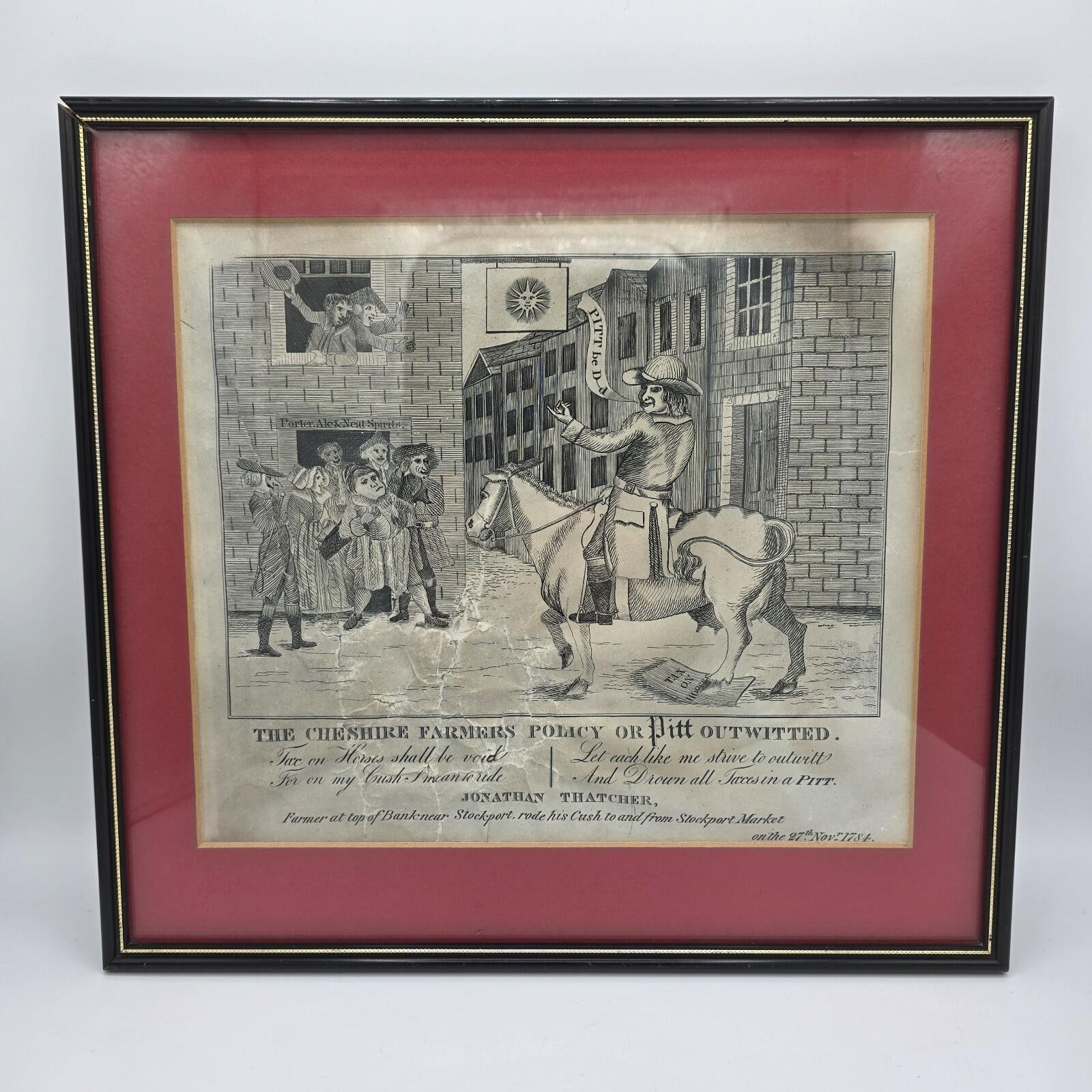
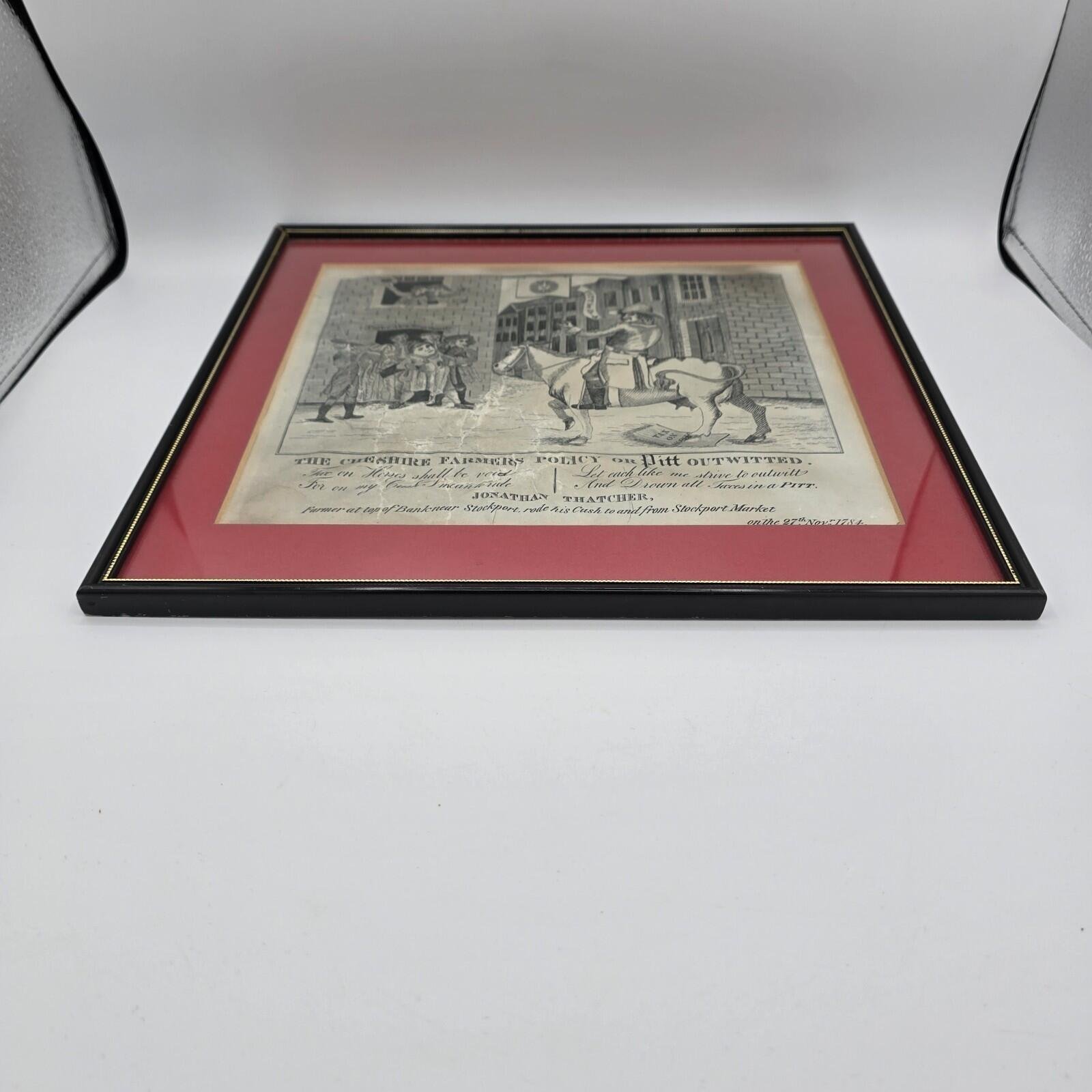
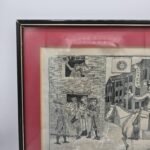
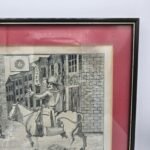
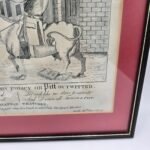
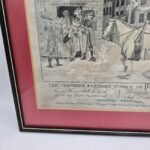
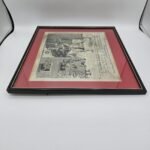
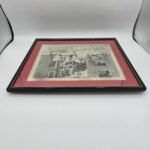
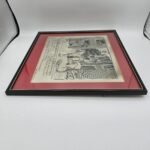
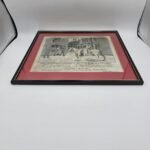


Immerse yourself in the gritty, fiercely witty world of late Georgian social satire. This exceptional 19th-century engraved broadside reprint captures one of the most famous real-life acts of tax defiance in British history.
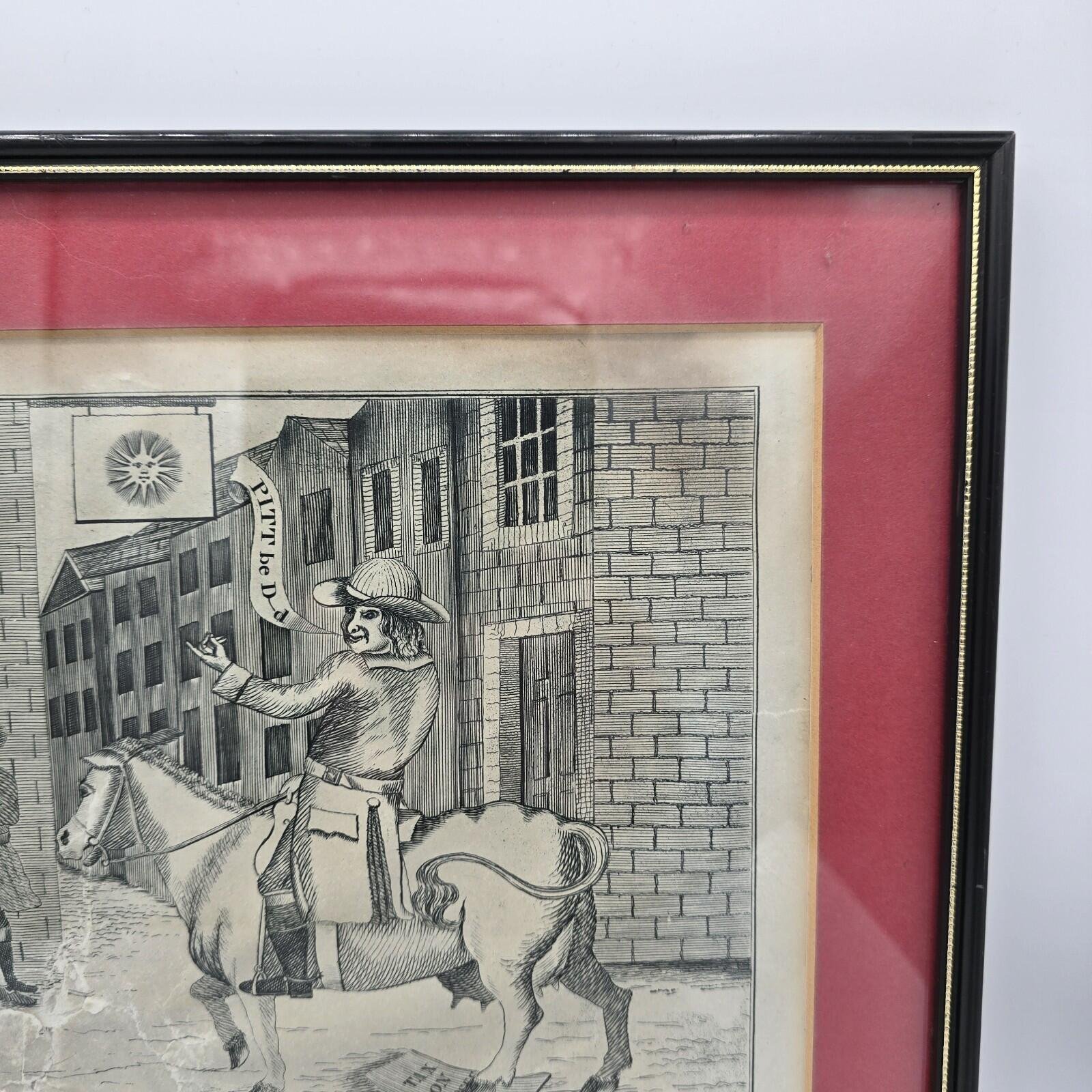
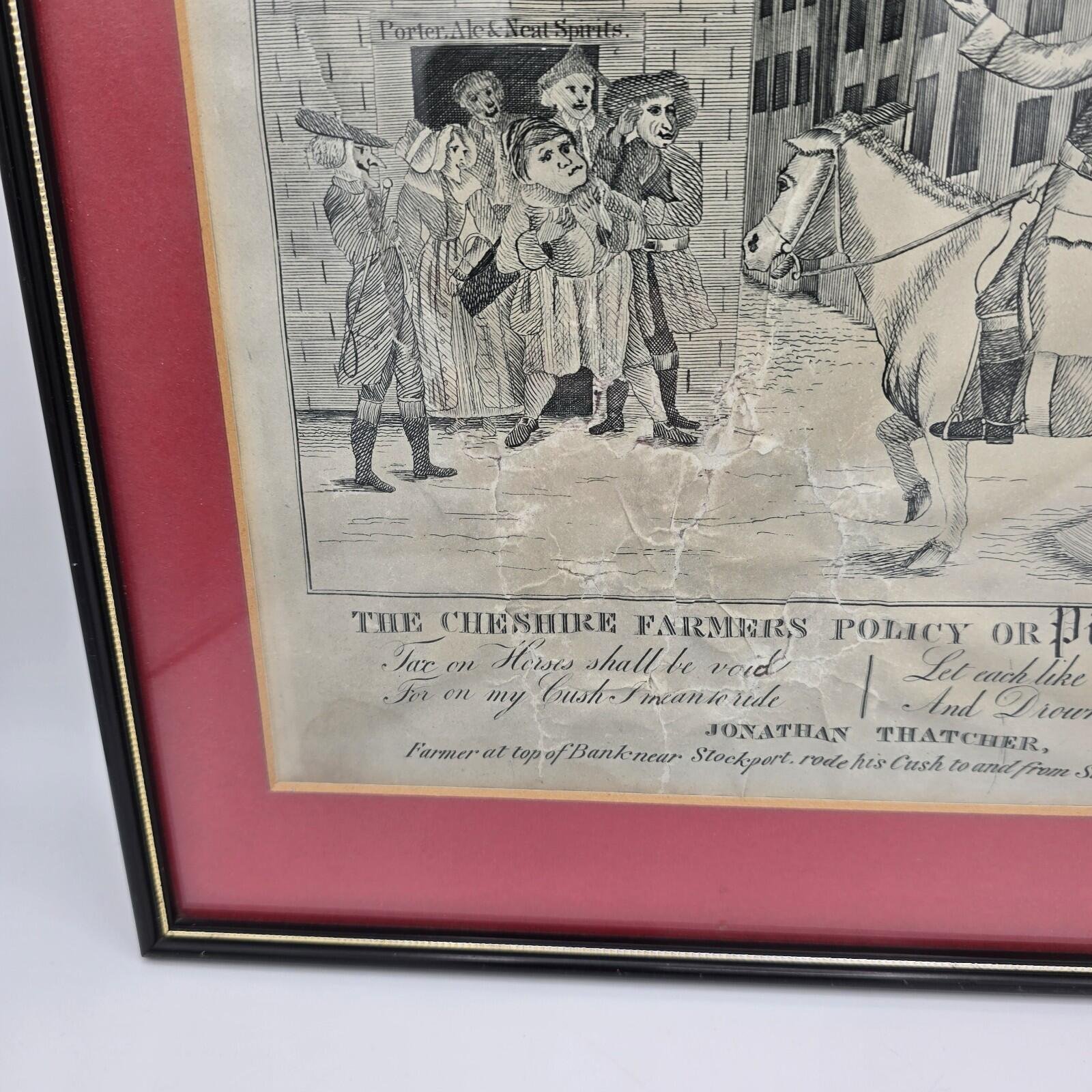
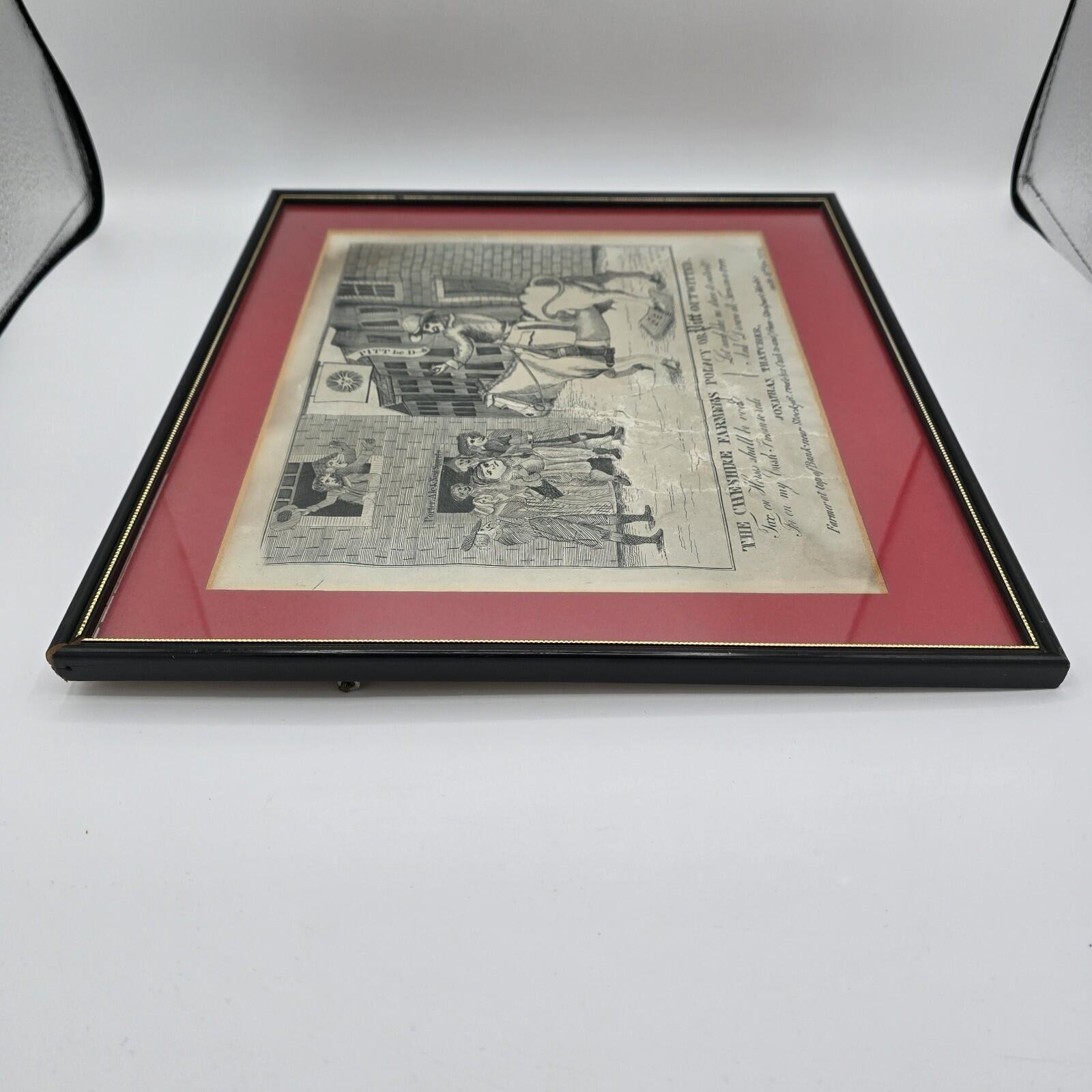
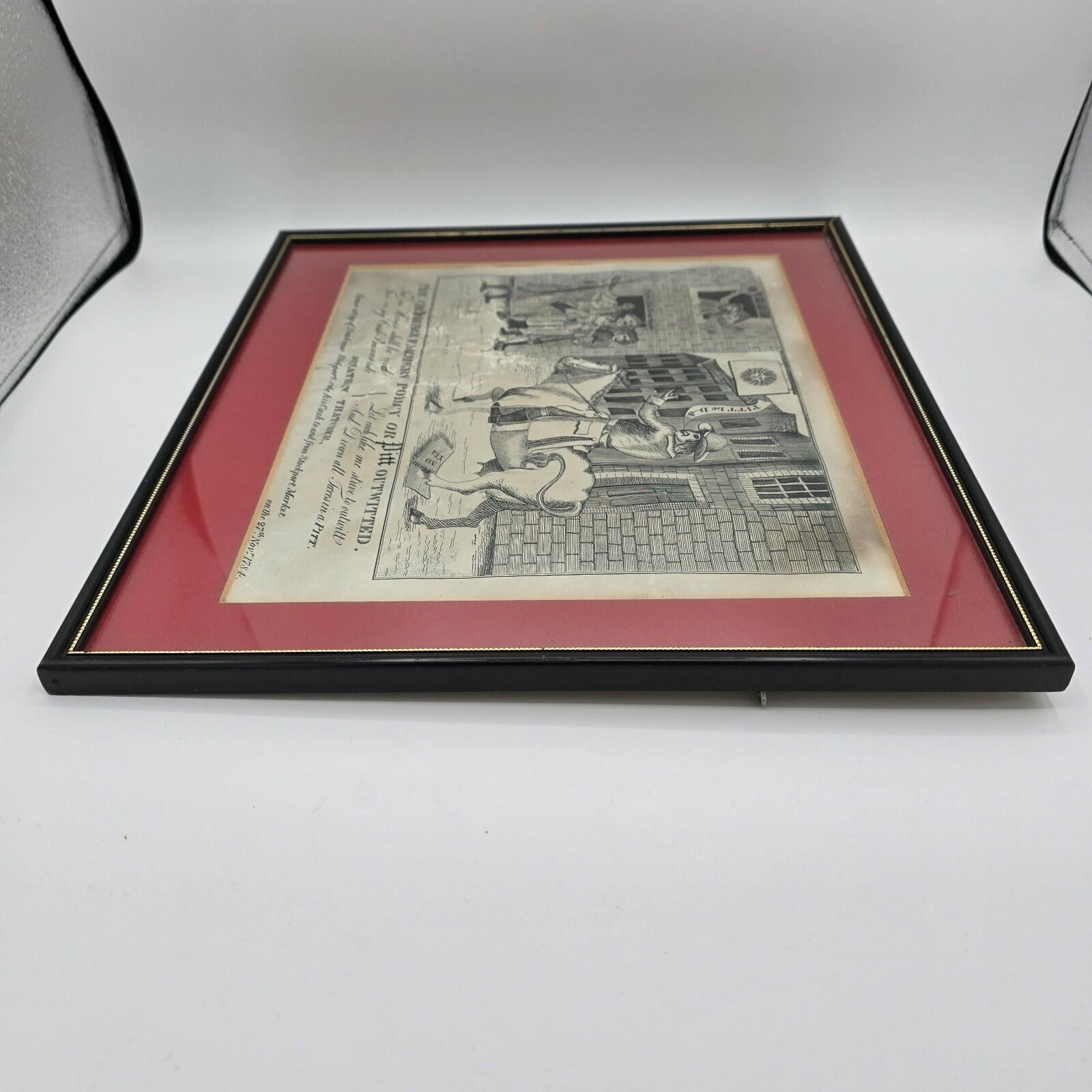
In 1784, Prime Minister William Pitt the Younger introduced a deeply unpopular tax on saddle horses. In response, Cheshire farmer Jonathan Thatcher pulled off a masterclass in malicious compliance: he saddled and bridled a large cow, balanced a wooden cask across its back, and rode it directly into Stockport market to sell his wares—completely bypassing the legal definition of a taxable “horse.”
Superb Visual Presentation
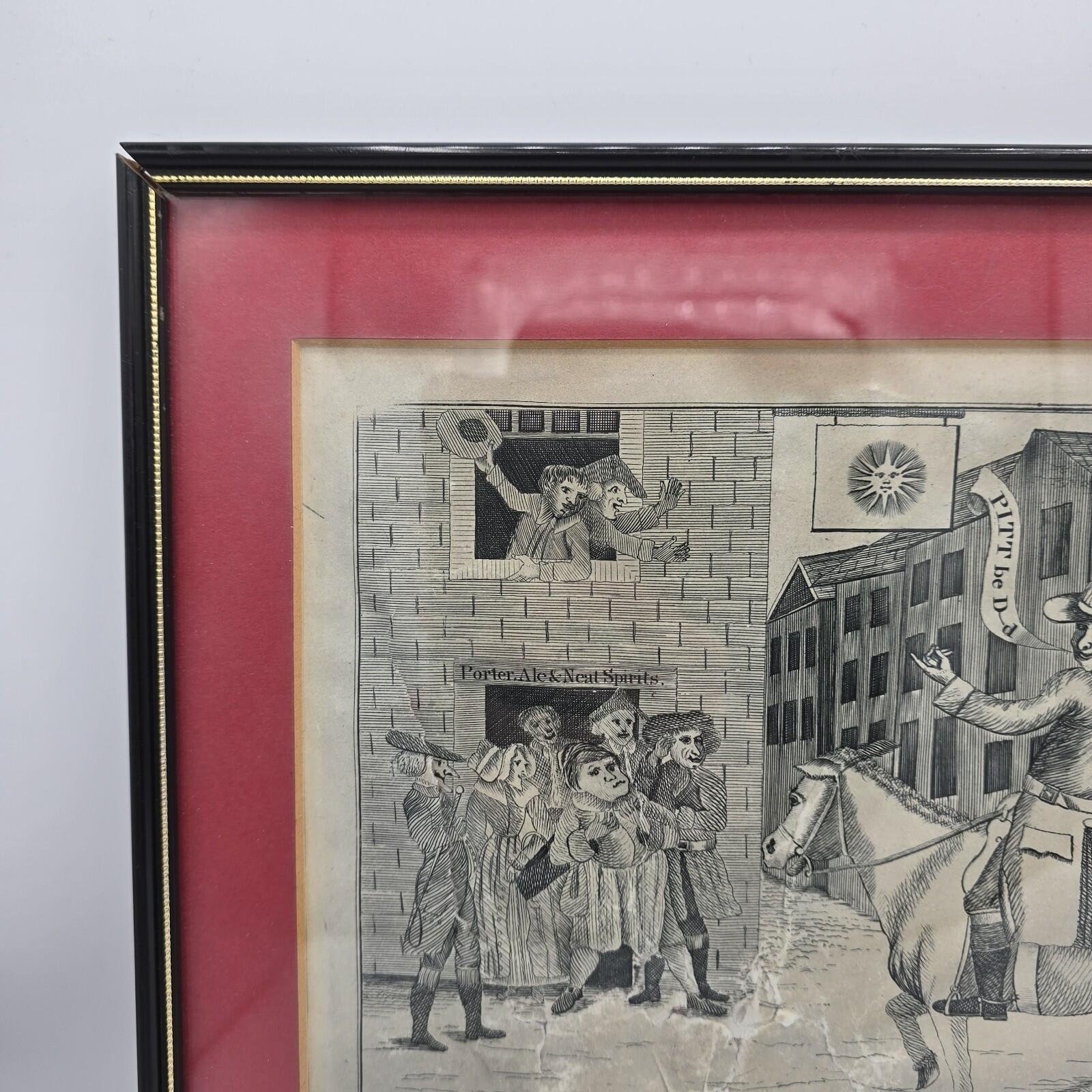
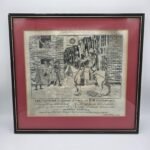
This scarce Victorian-era printing on genuine antique wove paper preserves the intricate linework and sharp political commentary of the original 1784 etching. The composition is rich with period detail, showing Thatcher on his bovine mount surrounded by cheering onlookers, set against a detailed town backdrop.
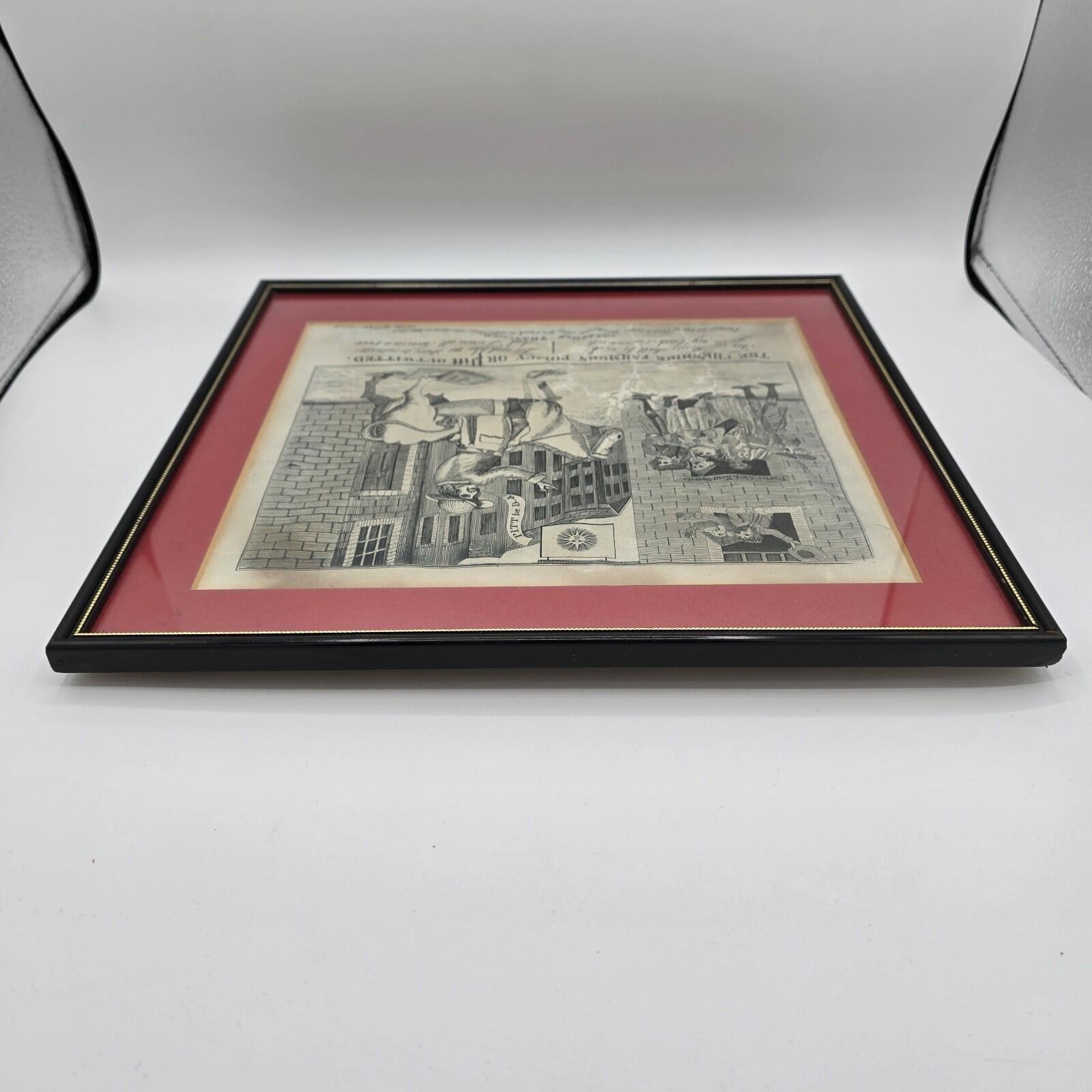
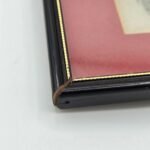
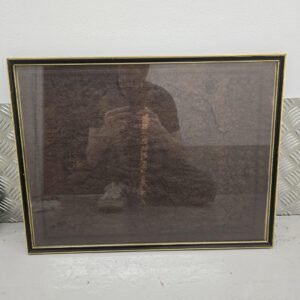
The print is elegantly showcased in a traditional “country-house style” presentation, featuring a deep crimson red mount with clean, hand-lined black accented borders. Complete with glass protection and a sturdy frame, this is a premium, character-rich piece of historical ephemera that will instantly anchor any gallery wall or professional office space.
Specifications
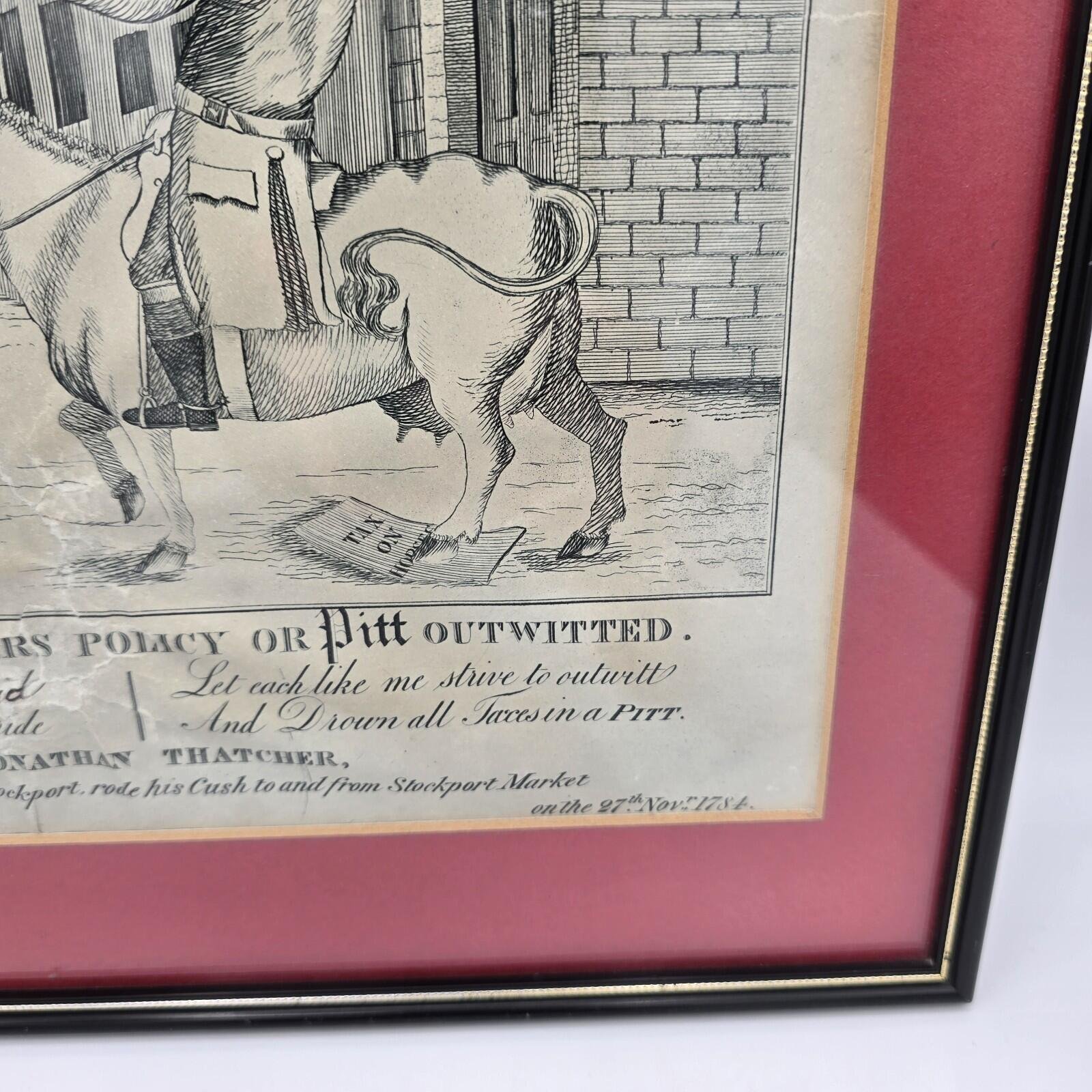
Title: The Cheshire Farmer’s Policy, or Pitt Outwitted
Historical Event: 1784 Horse Tax Protest (William Pitt the Younger)
Print Era: 19th Century (Scarce Victorian Broadside Printing)
Medium: Antique Engraving / Lithograph on wove paper
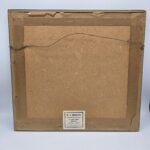
Framing: Framed & glazed under glass with custom crimson mount
Total Frame Dimensions: Approx. 46 cm × 35.5 cm (Print area: 26 cm × 20 cm)
Shipping: Free UK Courier Shipping (Double-walled reinforced packaging)
Condition Report
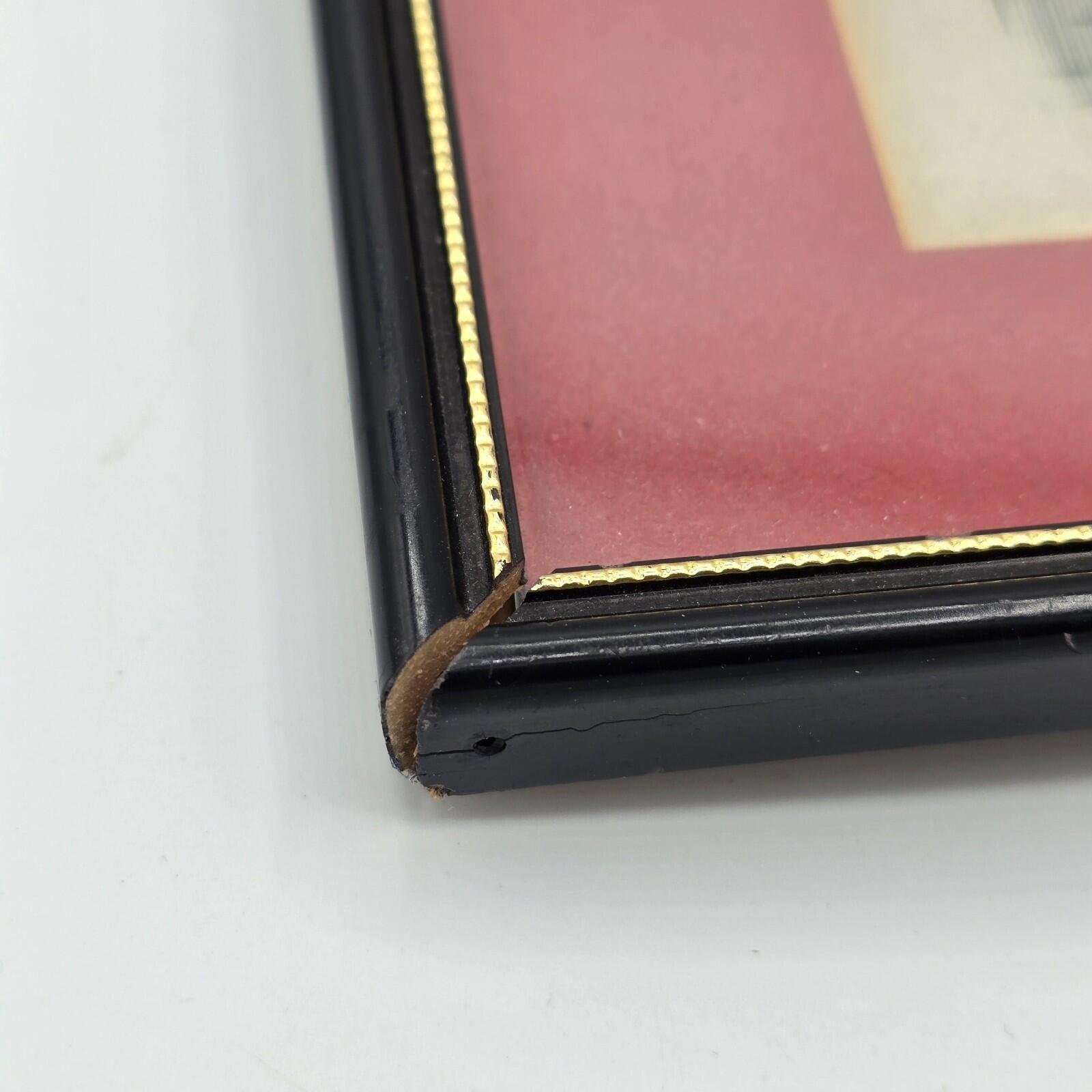
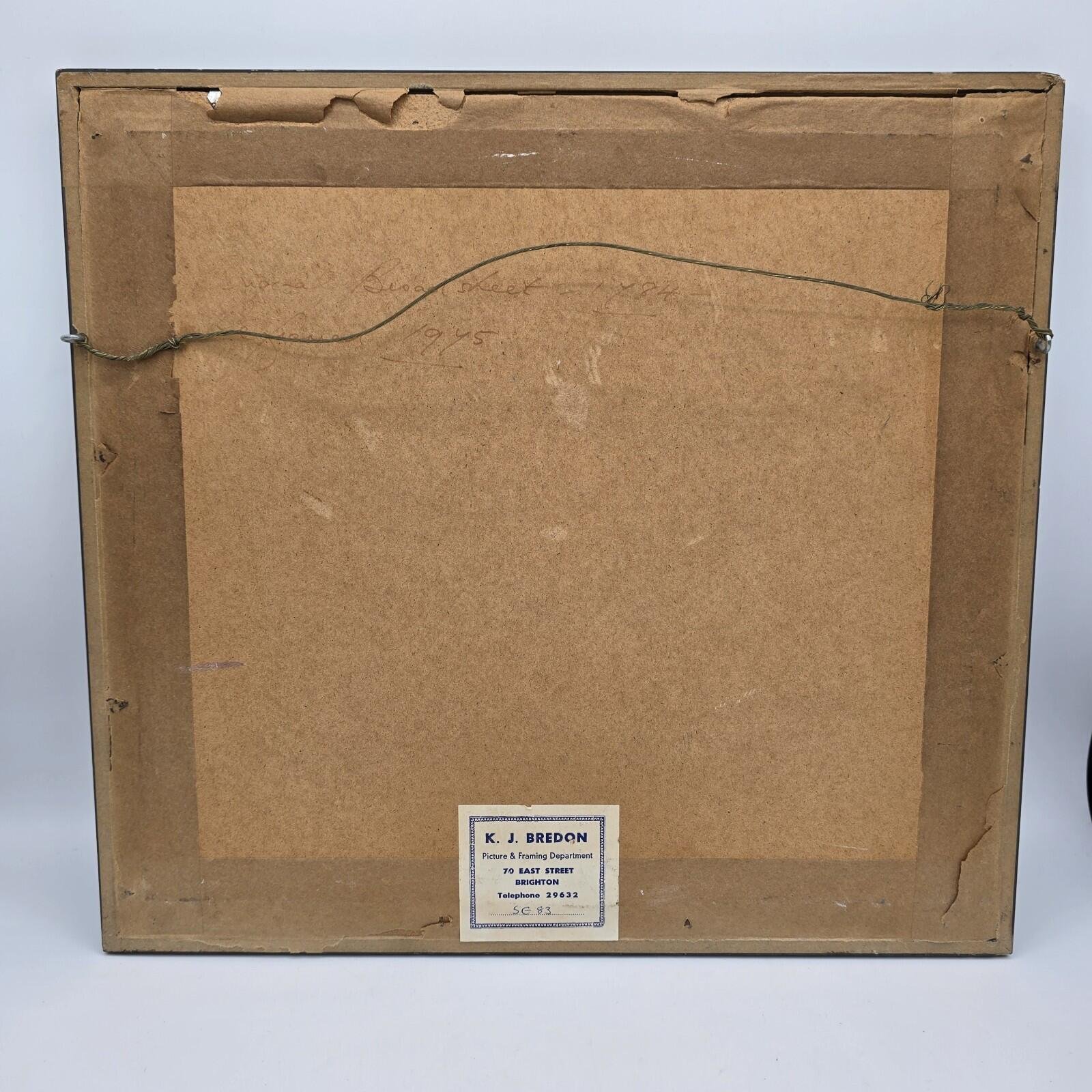
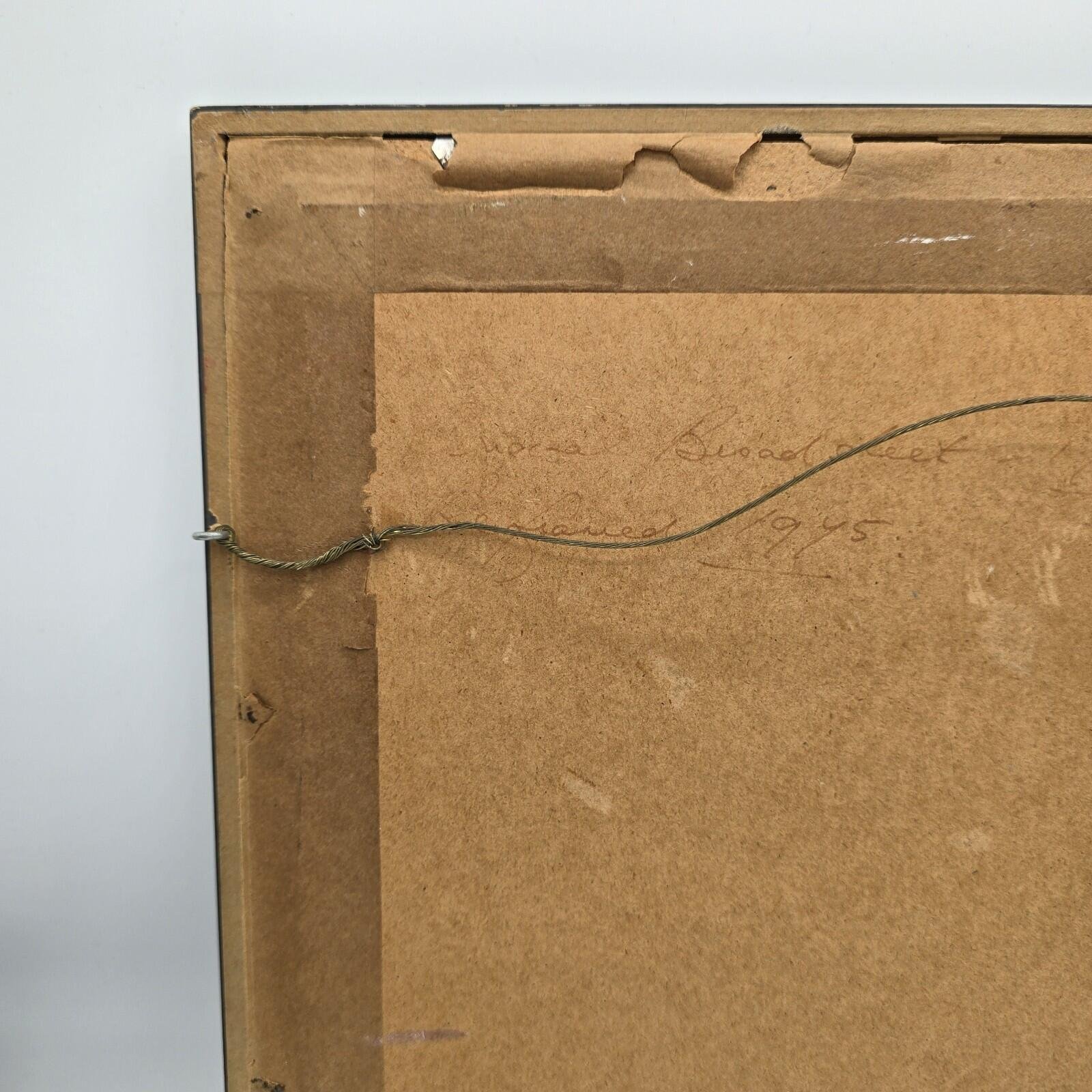
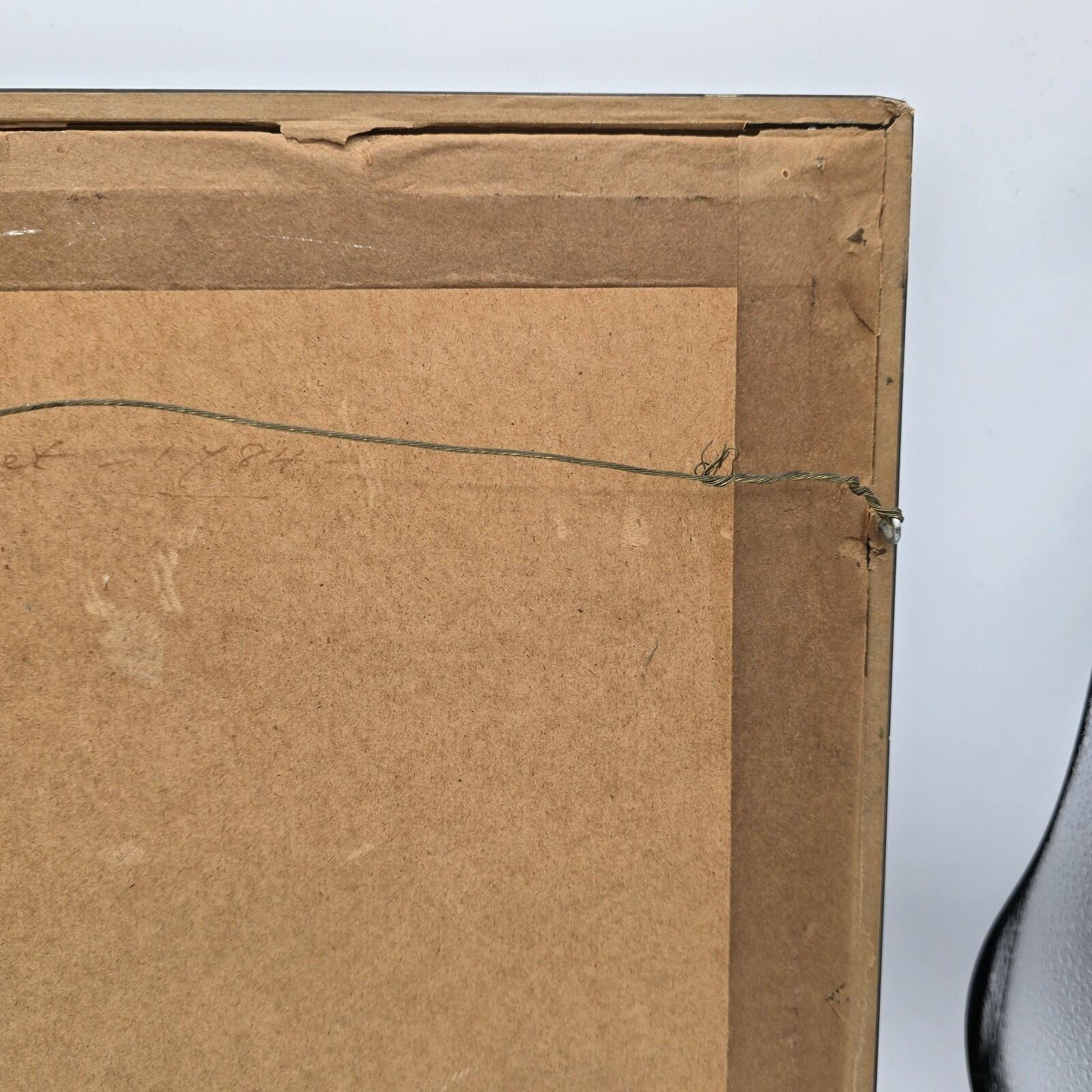
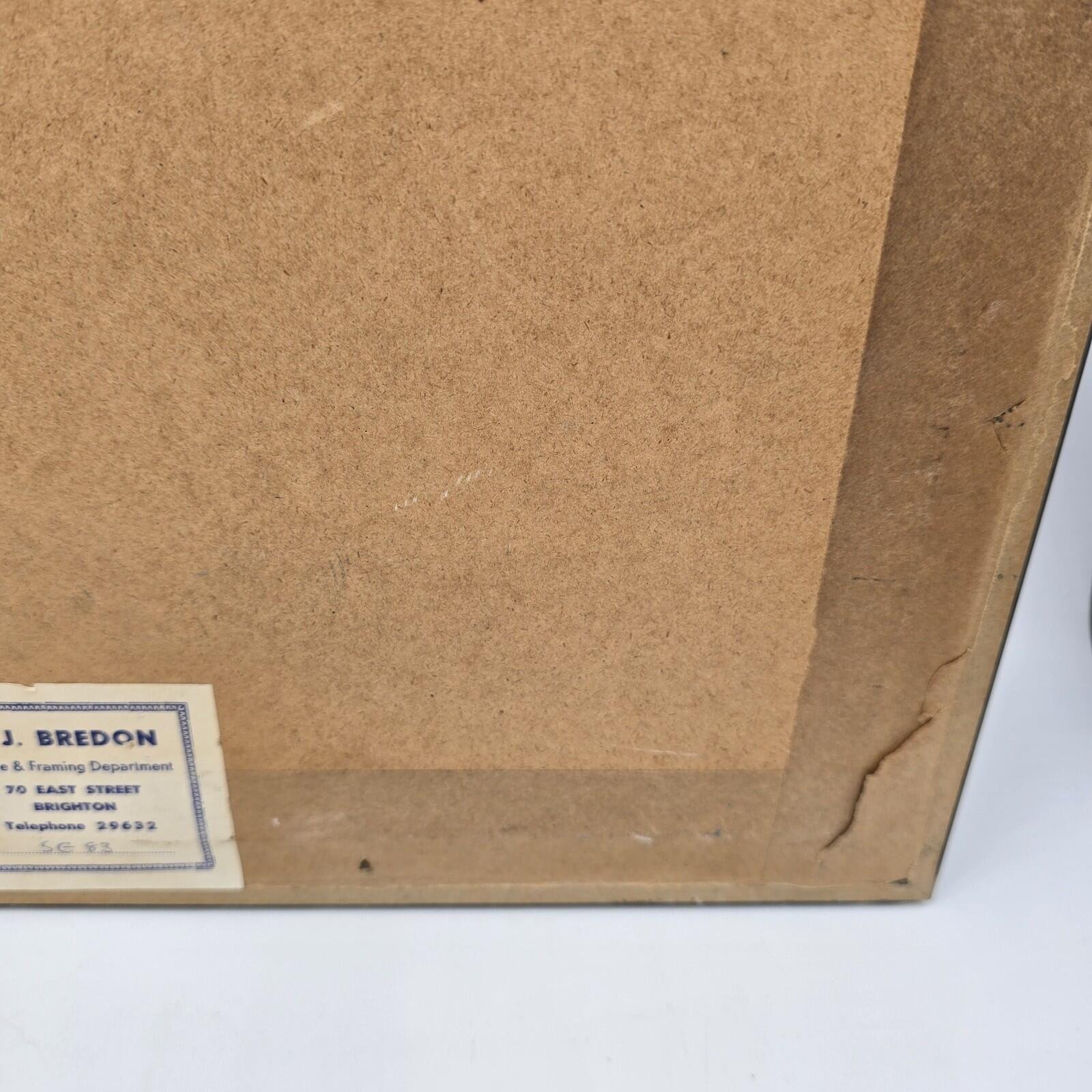
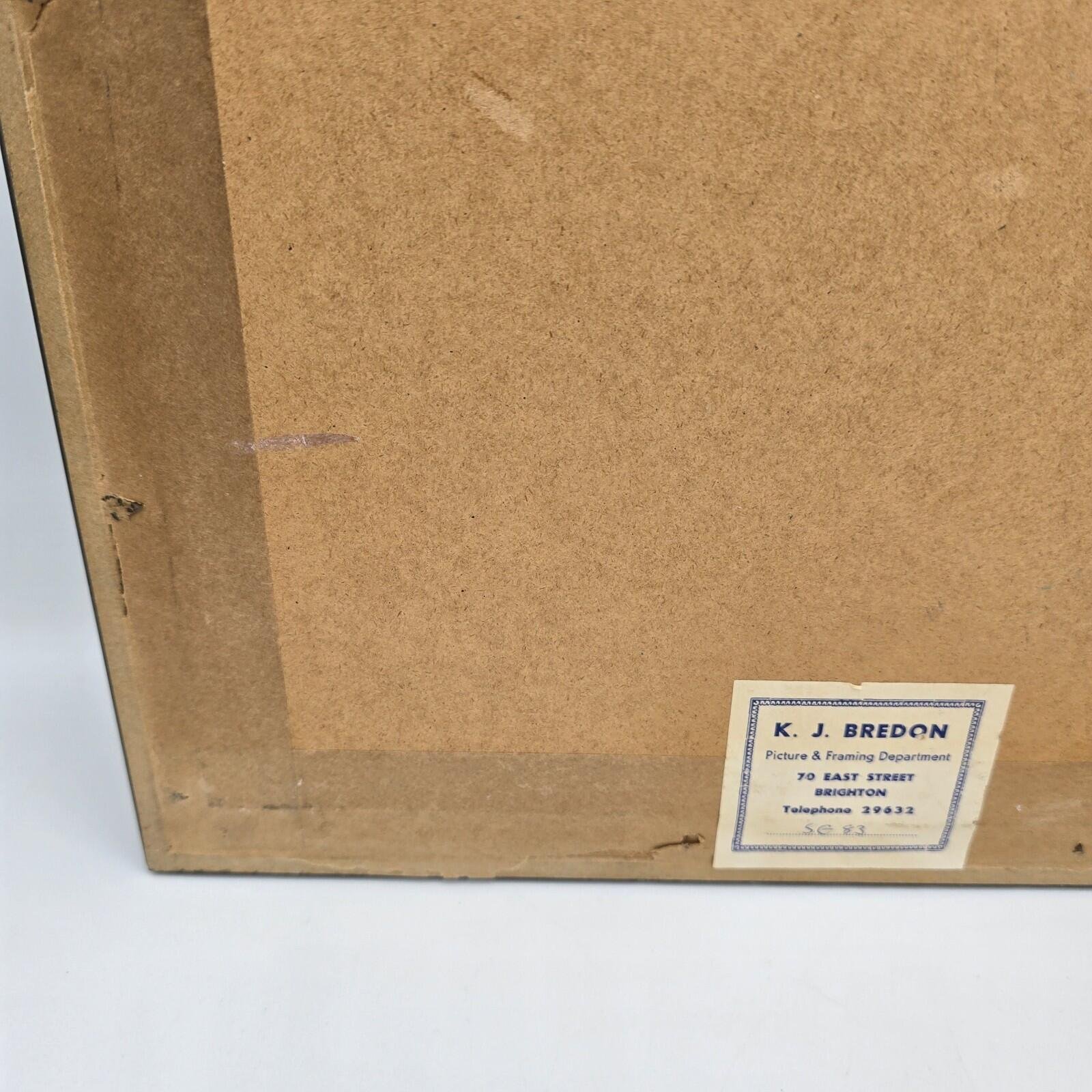
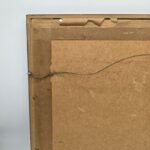
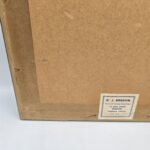
This item is in very good antique condition. The print area boasts sharp contrast and strong ink tone, displaying a lovely natural age-related character with light, gentle paper creasing and minor handling marks that confirm its period authenticity. The mid-to-late 20th-century frame is structurally sound, clean, and tight at the joints, displaying only minor vintage cosmetic scuffs to the outer edges. Ready for immediate display.
Reviews
There are no reviews yet.